Vanaprastha

I'm fifteen for a moment
Caught in between ten and twenty
And I'm just dreaming
Counting the ways to where you are
I'm twenty two for a moment
She feels better than ever
And we're on fire
Making our way back from Mars
Fifteen there's still time for you
Time to buy and time to lose
Fifteen, there's never a wish better than this
When you only got hundred years to live
I'm thirty three for a moment
Still the man, but you see I'm a they
A kid on the way babe
A family on my mind
I'm forty five for a moment
The sea is high
And I'm heading into a crisis
Chasing the years of my life
Fifteen there's still time for you
Time to buy, Time to lose yourself
Within a morning star
Fifteen I'm all right with you
Fifteen, there's never a wish better than this
When I only have a hundred years to live
Half time goes by
Suddenly you're wise
Another blink of an eye
Sixty seven is gone
The sun is getting high
We're moving on
I'm 99 for a moment
Dying for just another moment
And I'm just dreaming
Counting the ways to where you are
Fifteen there's still time for you
Twenty two I feel her too
Thirty three you're on your way
Every day's a new day
Fifteen there's still time for you
Time to buy and time to choose
Hey fifteen, there's never a wish better than this
When I only have a hundred years to live
-Five for Fighting, 100 Years
As part of my preparation for what now seems a likely trip to India for a wedding in a couple months, I've been reading Incarnations: A History of India in Fifty Lives, by Sunil Khilnani. I've always found biography one of the best ways to gain a basic understanding of a time or place, making the abstractions of empire and political intrigue human and therefore more real.
This educational experience has been humbling, to put it mildly. The complexity of Indian thought and culture, its diversity, the very concept of what constitutes "Indian" in a place where they speak over 120 different languages and occupy a space from the highest mountains on the planet down to tropical plains, is hard for an American, particularly an old one, to get a handle on. Over the centuries, folks from India developed their own complex mathematics and physics long before Newton, occupied an empire that at its peak was larger than Alexander the Great's sprawling holdings, developed their own ways to think about what constitutes a just society in the midst of diversity that no country has experienced until the rise of the United States (at least until 2024).
All pretty mind-blowing.
Yesterday I was reading the biography of Shankara, one of the great reformers of Vedic Hinduism in the eighth century, and in his story encountered the concept of sannyasa, or renouncing life and worldly desires in a quest for spiritual development. Or something like that. In Shankara's story, he enters sannyasa at 16, considered sort of a scandal by his neighbors because he'd skipped the other phases of life.
What phases, you ask? Well, Vedic Hinduism posits the concept of Ashrama dharma, that a proper life includes four of seasons over a hypothetical one hundred year existence.

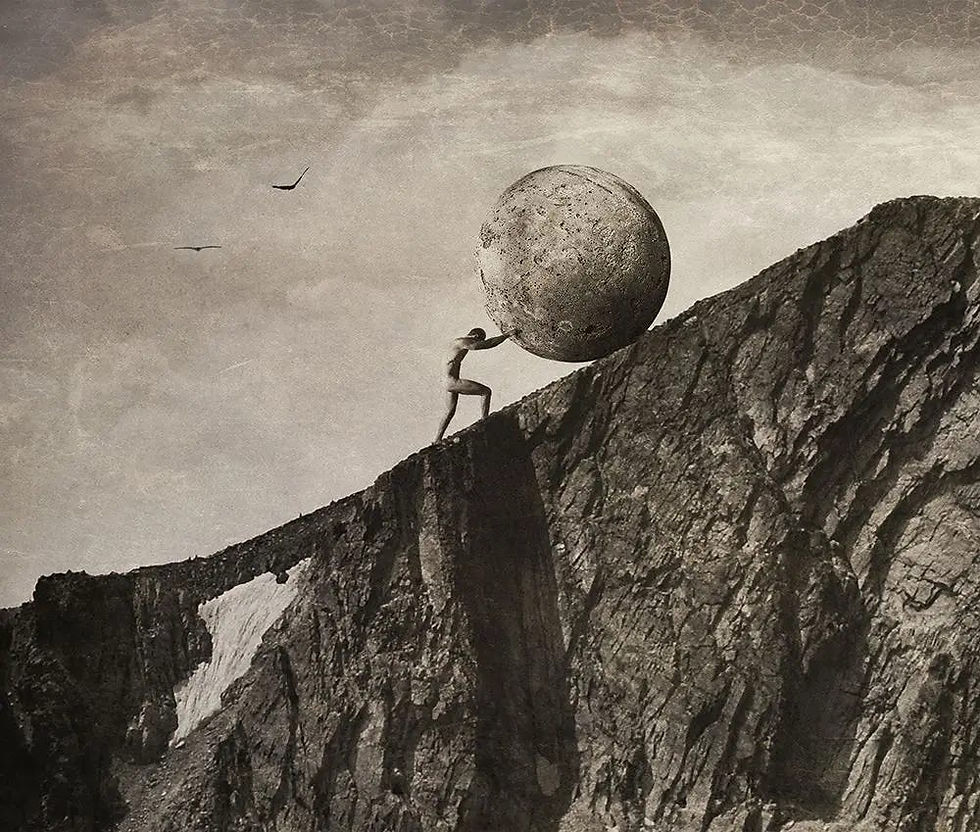
We spend the time from kindergarten through basically grad school and learning our professions and vocations in Brahmacharyashrama, the student phase. Then for the next twenty-five years we're "householders" in the Grhasthashrama phase, raising families and doing the work a society requires of its members. After age 50 we're expected to enter Sannyasashrama, a time of gradually withdrawing from work and commitments, a time to offer wisdom as an advisor and start focusing on the spiritual. Finally, at 75 we enter Vanprasthashrama, which as the illustration suggests involves renouncing all physical posessions, walking into the jungle, and substisting on alms or whatever we can scrounge while we're contemplating our way to enlightenment.
I picture an actual Hindu reading this and cringing. It's the best an old Episcopalian can do, explaining a system of which I learned not 24 hours ago, while they've been at this for over a millenium, with origins going far further back than that, maybe another 2000 years. The fact that some of the Vedic writings archeologists have recovered from the BCE period are written in Greek and Aramaic raises some fascinating possibilities about whether Hindi spirituality illuminated some of what Jesus thought and said.
Being a navel gazer by nature, as I guess we all tend to be, I find myself thinking this makes perfect sense in my life. I'm halfway through Phase Three, in sort of an inexorable, almost tidal retreat in my professional life. The best moments as a lawyer come not from some courtroom triumph or accolade, but rather when a young lawyer calls, as often happens, looking for a little advice on something that's vexing him and I've seen a hundred times before. The parts of my life I find the most uncomfortable are those litigation squabbles and fights over things that seem trivial to me here in the home stretch of life, as well as the post-Covid drift away from making time for the spiritual and to give back to the community, any community in this time of profound rootlessness. Man is not meant to spend Sannyasashrama sitting alone in a home office every working day.
I need to pay attention to that. The Jesuits would consider the exercise a form of discernment, making note of what they call consolation and desolation. We're all, Jesuits and Hindus, on the same spiritual journey in the end--you can't discount an insight because it comes from another tradition (another principal of south Asian religion that derives, I think, from Jainism--isn't this stuff interesting?).
Of course, all of these frameworks for living an examined and fulfilling life end with the question posed in the spiritual exercises we practiced in Education for Ministry in the good old days--where is the divine in all of this, and once I have that insight, what am I going to do about it?
There's the challenging part, from onanism to action.


Comments